What Is Air Compressor And What Is It Used For?
Did you know that air compressors power almost 70% of all manufacturing operations worldwide? These versatile machines are the unsung heroes behind countless industries, providing the muscle needed to drive productivity and innovation. Whether you’re inflating tires, powering pneumatic tools, or running heavy machinery, air compressors are essential in delivering efficient and reliable energy solutions.
What is an Air Compressor?
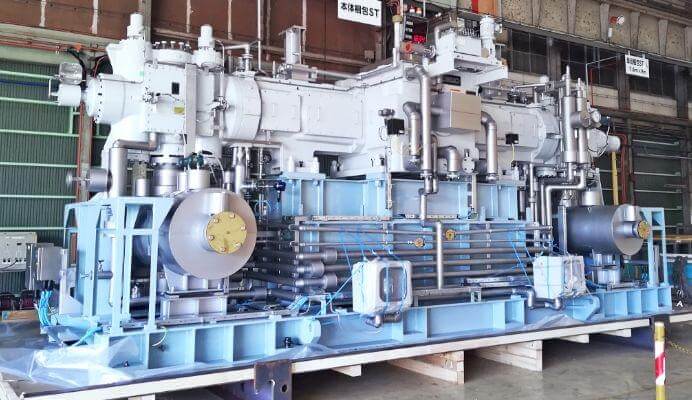
An air compressor is a machine that converts power (using an electric motor, diesel or gasoline engine, etc.) into potential energy stored in pressurized air (compressed air). By compressing air, the energy can be released to perform various tasks, making air compressors invaluable in numerous applications, from industrial manufacturing to production sites.
Air compressors are crucial in modern applications due to their ability to convert energy into kinetic energy efficiently. This process makes them essential for operating equipment in various settings, from construction sites to big workshops, ensuring that air tools like nail guns, air hammers, and impact wrenches perform optimally.
Diving into Diversity: Types of Air Compressors
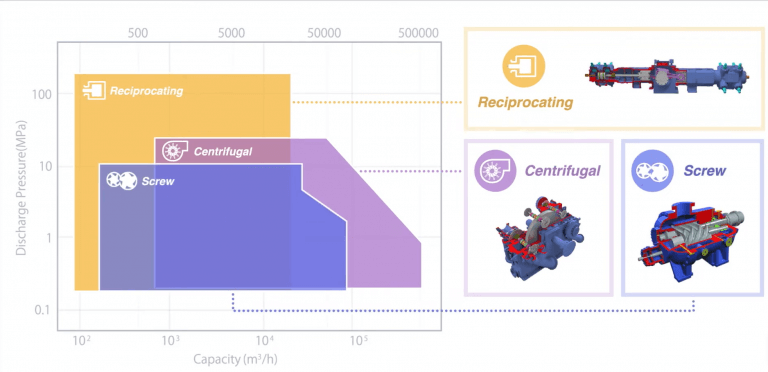
Air compressors come in various types, each tailored to specific needs and applications. Here’s an overview of the most most common air compressor types:
Reciprocating Air Compressors:
These are positive displacement compressors that use pistons driven by a crankshaft to deliver high-pressure air into compression chamber.
They’re ideal for small to medium-scale applications such as automotive repair shops and small manufacturing units. Reciprocating piston compressors are renowned for their durability and efficiency in compressing air.
Rotary Screw Compressors:
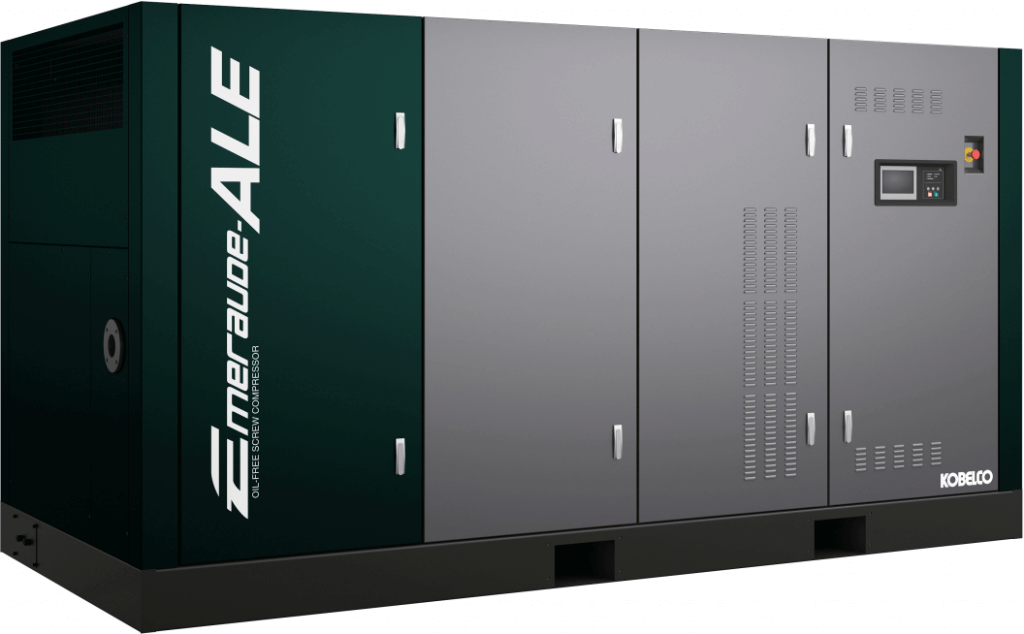
Utilizing twin rotors, rotary screw compressors are designed for continuous operation and are perfect for large industrial applications.
They offer higher efficiency and lower maintenance costs compared to reciprocating compressors. The rotary screw compressor mechanism ensures a steady flow of compressed air, making them suitable for tasks requiring a constant air supply.
Centrifugal Air Compressors:
These compressors use a rotating impeller to add velocity and pressure to the air. They’re best suited for large-scale industrial applications requiring high volumes of air at moderate pressure, such as chemical plants and oil refineries.
Centrifugal compressors are dynamic compressors that excel in applications where high-flow, steady-pressure air is crucial.
Oil-Free Compressors:
These are ideal for applications requiring contaminant-free air, such as in food processing and pharmaceuticals. Oil-free compressors ensure clean delivery, minimizing the risk of oil contamination.
Benefits Of Using An Air Compressor
Air compressors provide several benefits that make them indispensable in many things:
Refrigerated Dryers

Suitability: Common choice for industrial applications. Cools air to remove moisture, then reheats to an optimal temperature.
Applications: Suitable for general manufacturing, automotive shops, and scenarios requiring dry air without extreme conditions.
Dew Point: Ranging from approximately 3°C to 10°C, suitable for standard industrial environments.
Desiccant Dryers

Suitability: Ideal for high-demand situations requiring extremely dry air.
Utilizes absorbent materials for moisture extraction, achieving a significantly lower dew point.
Applications: Perfect for critical environments like laboratories, food processing, electronics manufacturing, and paint spraying.
Dew Point: Reaching extremely low dew points, such as -40°C or even -70°C, suitable for the most stringent applications.
Efficiency and Cost-Effectiveness:
Air compressors can significantly reduce energy costs and improve operational efficiency by powering multiple tools and machines simultaneously. Most air compressors are designed to optimize energy use, converting atmospheric air into pressurized air with minimal energy loss.
Environmental Advantages:
Modern air compressors are designed to be energy-efficient, leading to reduced emissions and a smaller carbon footprint. They also contribute to less noise pollution compared to traditional engines. Oil-free compressors, in particular, offer eco-friendly solutions by eliminating the need for oil-lubrication, thus reducing environmental impact.
Applications Unleashed: Air Compressors in Action
Air compressors are used in a wide range of industrial and commercial settings, showcasing their versatility and indispensability:
Refrigerated Dryers

Suitability: Common choice for industrial applications. Cools air to remove moisture, then reheats to an optimal temperature.
Applications: Suitable for general manufacturing, automotive shops, and scenarios requiring dry air without extreme conditions.
Dew Point: Ranging from approximately 3°C to 10°C, suitable for standard industrial environments.
Desiccant Dryers

Suitability: Ideal for high-demand situations requiring extremely dry air.
Utilizes absorbent materials for moisture extraction, achieving a significantly lower dew point.
Applications: Perfect for critical environments like laboratories, food processing, electronics manufacturing, and paint spraying.
Dew Point: Reaching extremely low dew points, such as -40°C or even -70°C, suitable for the most stringent applications.
Industrial Applications
From powering pneumatic tools in manufacturing plants to driving conveyor systems in warehouses, air compressors enhance productivity and streamline operations. Indusrial air compressors are vital in supporting water delivery systems, powering equipment, and providing the necessary force for high-powered tools.
Commercial Uses
In the automotive industry, air compressors are vital for tire inflation, spray painting, and operating pneumatic tools. They are also crucial in HVAC systems for heating and cooling applications. Commercial grade air compressors are designed to handle demanding tasks, ensuring that business operate efficiently.
Understanding the Mechanism: How Does Air Compressors Work?
Air compressors operate on a simple principle: air is compressed and stored in a tank, then released as needed. The air compression process involves several key components and stages:
Refrigerated Dryers

Suitability: Common choice for industrial applications. Cools air to remove moisture, then reheats to an optimal temperature.
Applications: Suitable for general manufacturing, automotive shops, and scenarios requiring dry air without extreme conditions.
Dew Point: Ranging from approximately 3°C to 10°C, suitable for standard industrial environments.
Desiccant Dryers

Suitability: Ideal for high-demand situations requiring extremely dry air.
Utilizes absorbent materials for moisture extraction, achieving a significantly lower dew point.
Applications: Perfect for critical environments like laboratories, food processing, electronics manufacturing, and paint spraying.
Dew Point: Reaching extremely low dew points, such as -40°C or even -70°C, suitable for the most stringent applications.
Compression Cycle
The compressor draws in air, which is then compressed by reducing its volume. This pressurized air is stored in a tank until it’s released through a hose or valve to power tools and equipment. The compressions chamber plays a crucial role in this process, ensuring that air pressure is maintained at optimal levels.
Key Components
Major components include the intake valve, piston or rotary element, crankshaft, storage tank, and discharge valve. Each part plays a critical role in ensuring efficient and reliable operation. For instance, in piston air compressors, the piston compressors air in a single or double stage, while in rotary screw compressors, twin rotors compress air continuously.
Selecting the Perfect Fit: Choosing the Right Compressor
When selecting an air compressor, consider the following factors to ensure you get the right air compressor, perfect fit for your needs:
Power Requirements:
Determine the horsepower and pressure levels required for your specific applications. This includes assessing air demand and ensuring that the air compressor can meet these needs consistently.
Air Quality:
Consider the level of air purity needed, especially for applications involving sensitive equipment or environments.
Portability:
Assess whether a stationary or portable air compressor best suits your needs. Portable air compressors offer flexibility and ease of movement, while stationary compressors are better suited for fixed operations.
Safety First, Always: Maintenance and Safety Tips
Proper maintenance and adherence to safety guidelines are crucial for optimal performance and longevity of your air compressor:
Routine Maintenance
Regularly check and replace filters, inspect hoses for wear and tear, and ensure oil levels are adequate in lubricated compressors. This helps prevent breakdowns and ensures that the air compressor operates smoothly.
Safety Tips
Always operate the compressor in a well-ventilated area, never exceed the recommended pressure levels, and use proper protective gear to avoid accidents.Understanding the specific safety protocols for your type of air compressor is essential to ensure safe operation.
Air compressors are powerful and versatile tools essential for numerous applications across various industries. By understanding their types, benefits, and mechanisms, you can make informed decisions to optimise your operations.
Your Trusted Partner in Air Compressor
Explore Air to Air Engineering’s extensive range of air compressors tailored to meet your specific needs. Contact us today for expert advice and find the perfect solution to enhance your productivity and efficiency.
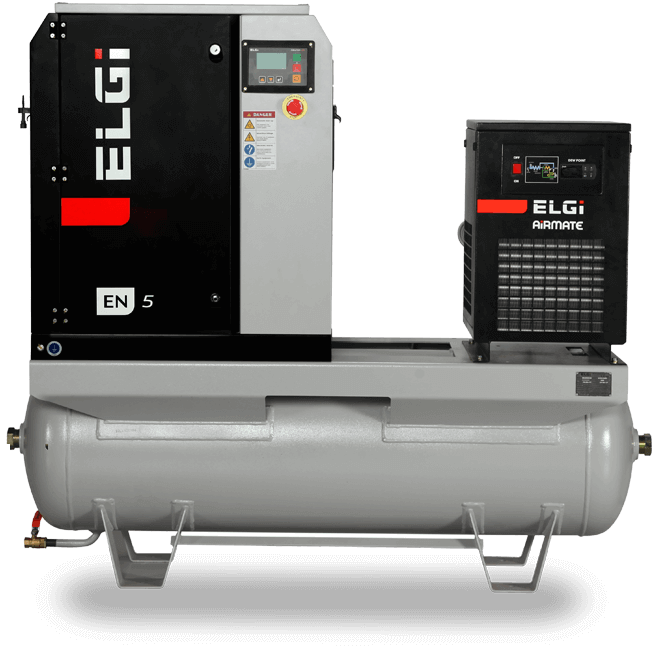
ELGi Air Compressors
We are trusted ELGi Screw Air Compressor specialist in Johor Bahru, offering High-Performance ELGi Air compressors. Contact us today for superior performance!
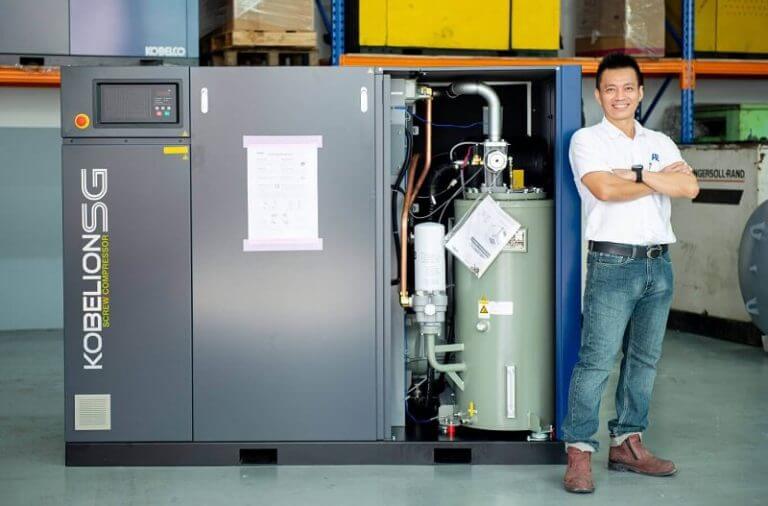
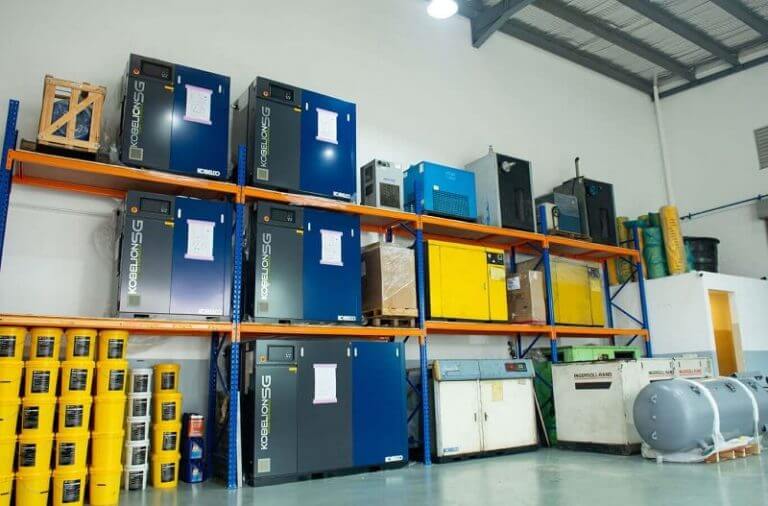
KOBELCO Air Compressors
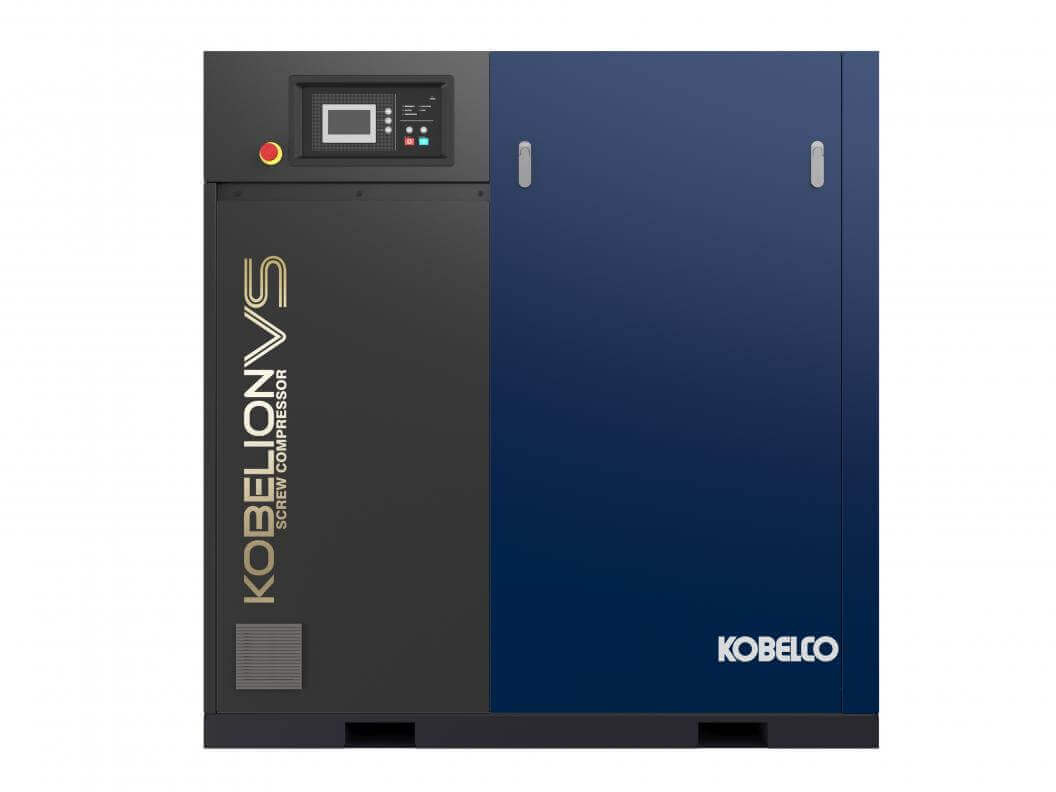
Discover reliable wide range of KOBELCO compressors from us. Contact us today to get top-quality products and exceptional service!